







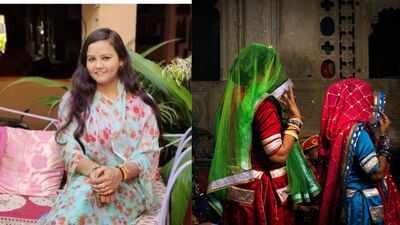
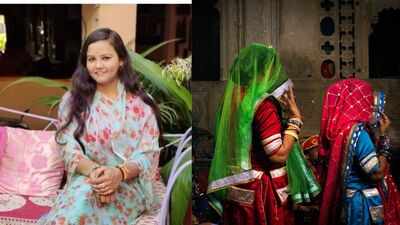
14 is an age when kids are still learning about life, studies and exploring new games. Clearly it’s not the age to ‘get married’ and settle! Meet Monica Jod from Rajasthan, the woman who was already fighting for something that should never have been a privilege, the right to study. Growing up, she faced pressure to get married early and leave her education. Now almost 20 years later, at 35, the same girl is helping other women fight for their future and restrict similar restrictions. It also includes those trapped in Rajasthan’s atta-satta marriage system.Who is Monica JodMonica as a teenager struggled to secure her own independence, but today she works with Sambhali Trust, a Jodhpur-based organisation supporting women and girls facing violence and discrimination. In the last 19 years, the organisation has taken up 188 cases involving atta-satta marriages. Now they are helping these women rebuild their lives.A girl who refused to give up on education
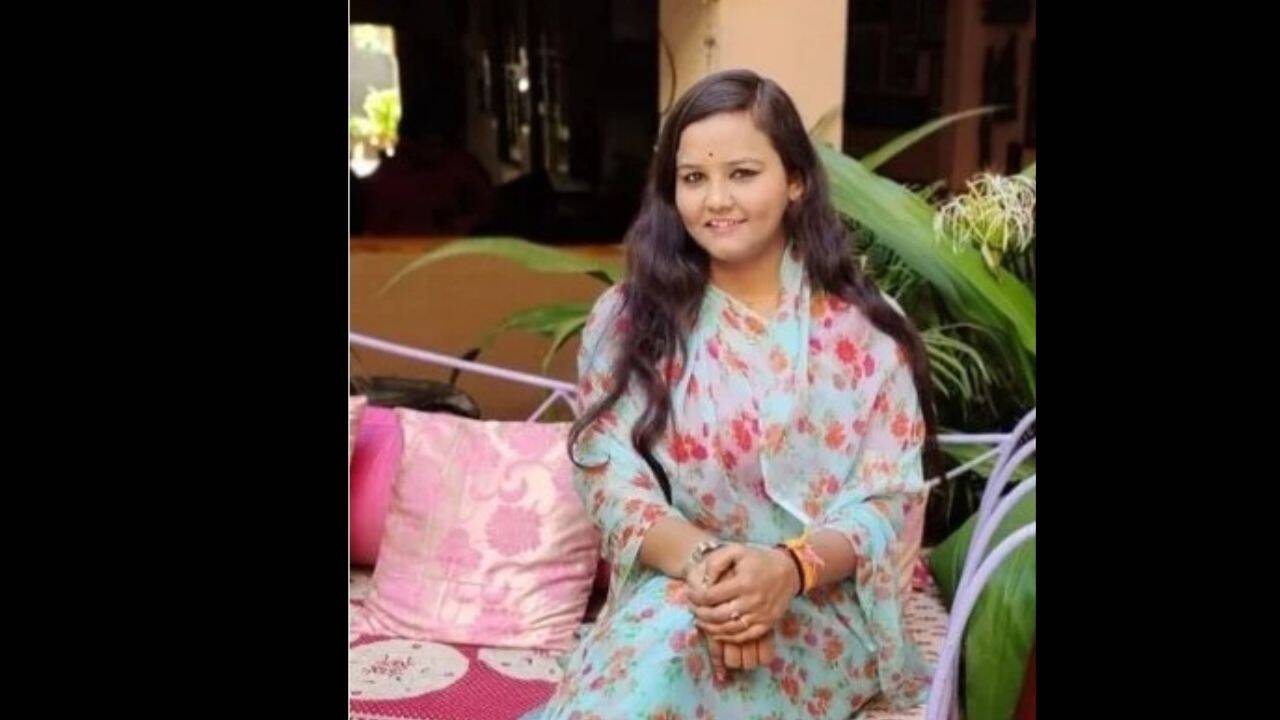
The girl who refused to give up (PC: Sambhali Trust)
Monica grew up listening, “Ladka ghar ka chirag hota hai” and her story began with this struggle. She grew up hearing the familiar belief that a son was the family’s future. In her family, boys were valued as the ones who would carry the family forward, while girls were expected to get married and leave the house.Even the women around her did not initially support her desire to study.Monica left home four timesAt 14, she approached Sambhali Trust after being denied education. She left home four times over the course of her life but her life was never easy. She wanted to challenge the belief that a woman’s identity and future had to be determined by marriage and household responsibilities.“I was trying to escape the idea that her future had already been decided. I wanted to come out of the thinking that women are nothing,” she told The Better India.Later, Monica received the Gargi Puraskar, a Rajasthan government award recognising meritorious female students for their academic performance in Class 10 and 12. She then informed Sambhali Trust founder Govind Singh Rathore about the recognition and he encouraged her to attend the award ceremony along with her mother.That moment became significant for Monica because her mother also did not support her educational aspirations. But after the award, she began to see things differently.She eventually told her daughter: “You do what you want. I will not force you into marriage. Live your life.”For Monica, those words represented a change she had spent years hoping to see.What is atta-satta marriage system
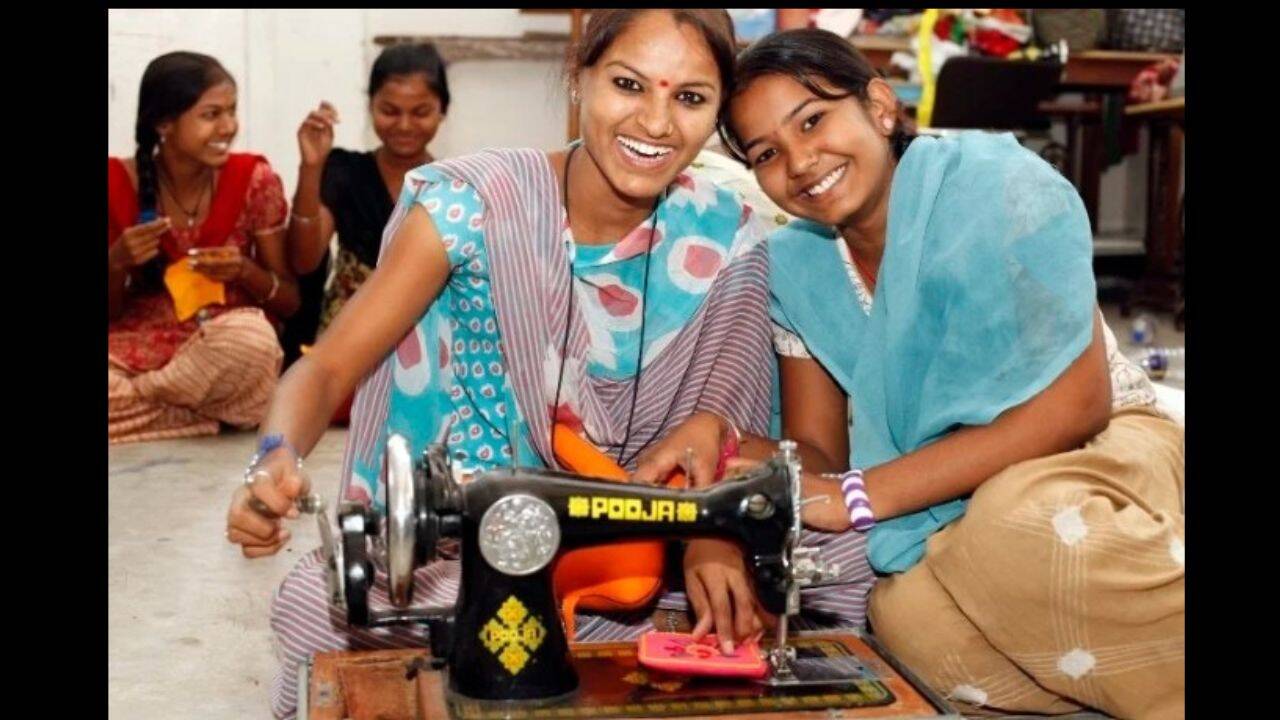
Women learning skills (PC: Sambhali Trust)
Atta-satta roughly translates to ‘give and take’. It’s a system or understanding under which two families marry their daughters into each other’s households. For instance, a man marries a woman from another family while his sister is married to a male member of her husband’s family.While families may view this arrangement as a way of reducing marriage-related expenses and securing reciprocal alliances, the consequences for women can be severe.The two marriages become interconnected, meaning that a woman’s decision to leave her husband can affect another woman married into the same family.The practice has been reported particularly in districts such as Barmer, Bikaner and Jodhpur and at other places in Rajasthan.“Mutual hostage-taking” between familiesIn 2026, the exchange marriage also came under judicial scrutiny. In a matrimonial dispute, the Rajasthan High Court criticised the practice and called it a form of “mutual hostage-taking” between families.Leaving an abusive marriage can be difficult
Happy women (Canva)
It’s not easy to leave an abusive marriage. A woman gets dependent on her husband for a number of things including finances, kids education and also the possibility of prolonged legal proceedings can make starting over extremely difficult.Sambhali Trust’s Nirbhaya Initiative, launched in 2014, works to address these challenges through emergency assistance, counselling, medical support and legal guidance.Depending on their circumstances, they may be guided towards approaching the police, seeking protection under the Domestic Violence Act, 2005, or contacting the District Legal Services Authority for free legal assistance.The organisation also provides temporary shelter to women facing high-risk situations.‘Even if you earn Rs 2,000, save something’For Monica, education and financial independence are among the most important ways women can reclaim control over their lives. Drawing from her own experiences, she encourages women to pursue education and advises them to acquire vocational skills to earn independently.“Even if you earn Rs 2,000 or Rs 3,000, earn something. And keep some of that money for yourself. Save at least Rs 200,” she advises.Between April 2025 and March 2026, the organisation also reported receiving 956 helpline calls, handling 188 cases through psychological counselling and legal guidance, and providing temporary shelter to 14 high-risk survivors.For Monica, however, the change she hopes to bring goes beyond helping individual women escape difficult marriages.