











Jennifer Lamanna worked at a bank in Florida and stole $280,000 from the bank vault, trying to cover it up by falsifying transaction records. She deposited some of the stolen cash into an account she controlled and disguised other transactions as legitimate to hide the missing money. She also filed a false cash-deposit report saying a customer deposited more than $160,000 when no such deposit was made. Eventually, the scheme came under federal investigation, and the IRS helped uncover the wrongdoing. Lamanna later pleaded guilty and was sentenced to 15 months in prison.
How the bank employee stole $280,000 from the vault
Lamanna started stealing money in 2020 while working at an insured financial institution in Venice, Florida, the US Department of Justice (DOJ) said. During the COVID-19 pandemic, reduced staffing arrangements gave her sole access and control over a branch vault, creating an opportunity to remove cash without immediate detection.The DOJ explained that Lamanna initially used a contingency cash bag to take money out of the vault and remove it from the branch. She continued using this method until the bank discontinued the cash bag programme.However, the change did not stop the theft. Lamanna continued taking money from the vault and deposited $255,362 into a bank account under her control. The total amount she stole over several months reached $280,000, according to the IRS.
How did she disguise the missing money
The missing cash created a problem that Lamanna needed to conceal in the bank’s records. According to the DOJ, she made several large withdrawals from a customer’s account and followed them with matching deposits. These transactions were intended to make the vault’s cash balance appear correct, even though money had been stolen.In fact the customer had not made these deposits. The transactions were designed to give the appearance that the missing cash was accounted for, helping Lamanna to hide the shortfall on the bank’s books.The IRS later disclosed Lamanna also submitted fake Currency Transaction Reports (CTRs) to give the transactions a legitimate appearance. These reports are used by banks to report certain large cash transactions to authorities. Lamanna filed false reports to make the activity look legitimate and to avoid suspicion about the missing money.
Another layer to the scheme was a fake deposit report
On June 8, 2023, Lamanna filed a report with the Financial Crimes Enforcement Network, which is part of the US Treasury Department. The report contained false information, adding another serious offence to the bank theft case.The report claimed that a customer had deposited $160,100 in cash into his bank account. However, the deposit had not taken place. Lamanna knew the statement was false when she submitted it, the IRS said. The false filing showed how the scheme extended beyond the bank’s internal records to information submitted to a federal agency.Financial institutions use cash transaction reports to help authorities monitor certain large transactions. Submitting false information can undermine that process by making transactions that never occurred appear genuine. In Lamanna’s case, the fabricated report became part of the federal case against her.
IRS and FDIC helped investigate the case
The investigation was conducted jointly by the IRS Criminal Investigation division and the Federal Deposit Insurance Corporation (FDIC) Office of Inspector General. The two agencies examined the case involving the stolen vault cash, the transactions used to conceal the shortage and the false report submitted to the government. Their work led to federal criminal proceedings against Lamanna. They confirm that the investigation resulted in charges involving both the embezzlement and the false statement.
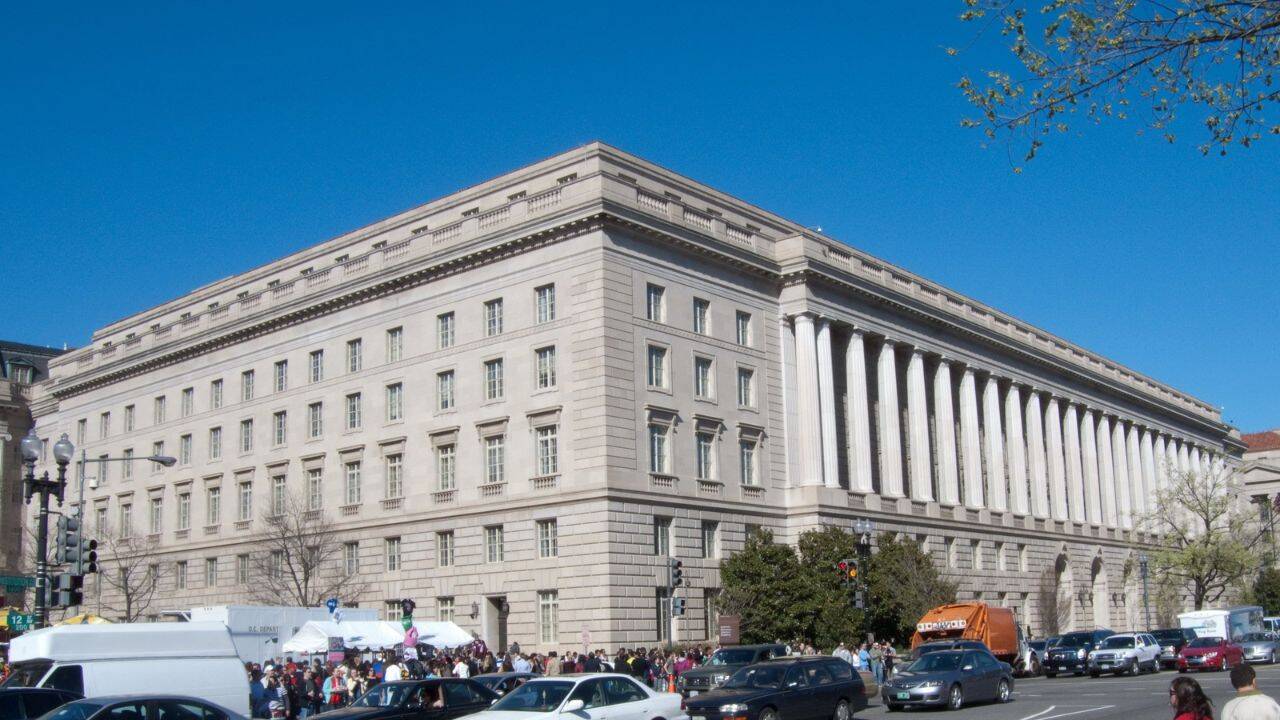
IRS Building Constitution Avenue, Virginia, USA. Image Credit: Wikimedia Commons
Lamanna was sentenced to 15 months in prison
Lamanna pleaded guilty on July 21, 2025, to embezzlement by a bank employee and making a false statement to a government agency. The DOJ announced her guilty plea the following day. As part of the case, Lamanna agreed to forfeit $280,000, representing the proceeds of her criminal conduct.On November 14, 2025, the IRS announced that US District Judge Kathryn Kimball Mizelle had sentenced Lamanna to 15 months in federal prison. The sentence followed her admission of guilt in the two offences.The DOJ’s announcement also outlined the maximum penalties associated with the charges before sentencing. Embezzlement by a bank employee carried a potential maximum sentence of 30 years in prison, while making a false statement to a federal agency carried a potential maximum of 5 years.Special Assistant US Attorney Chris Poor prosecuted the case. The case shows how the theft of physical cash developed into a wider effort to manipulate financial records.